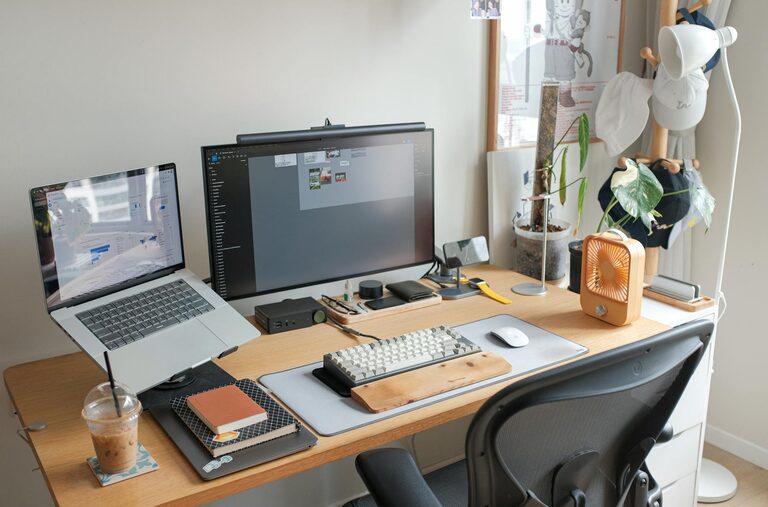

Creating a productive home office environment is essential for anyone working remotely or managing projects from home. A well-designed workspace can improve focus, reduce distractions, and make your workday more enjoyable. Whether you have a dedicated room or just a corner in your living space, the following tips will help you set up an effective home office.
1. Choose the Right Location
Finding the ideal spot for your home office is the first step. Here are a few things to consider:
– Quiet and private: Select a space away from busy areas of your home to minimize noise and interruptions.
– Natural light: Position your desk near a window if possible. Natural light can boost mood and reduce eye strain.
– Comfortable size: Ensure the area is large enough to accommodate your desk, chair, and any equipment you need.
If space is limited, a tidy corner with vertical storage and a foldable desk can work well.
2. Invest in Ergonomic Furniture
Comfort plays a big role in maintaining productivity over time. Invest in furniture that supports good posture:
– Ergonomic chair: Choose a chair with adjustable height, lumbar support, and comfortable padding.
– Desk height: Your desk should allow your arms to rest comfortably at a 90-degree angle when typing.
– Monitor placement: Position your screen at eye level, about 20 to 30 inches away, to avoid neck and eye strain.
Consider a standing desk or a convertible desk to alternate between sitting and standing throughout the day.
3. Organize Your Workspace
A clutter-free environment helps you stay focused and efficient. Here are some tips to organize your home office:
– Use drawers and shelves: Keep supplies like pens, paper, and chargers neatly stored.
– Cable management: Use clips or sleeves to prevent cords from tangling.
– Desk essentials only: Limit items on your desk to those you use daily.
– Personal touches: Add a plant, a photo, or artwork to make the space inviting without overwhelming it.
Regularly tidy your workspace at the end of each day to prepare for a fresh start tomorrow.
4. Optimize Lighting
Good lighting reduces eye fatigue and keeps you alert:
– Combine natural and artificial light: Use daylight when possible; supplement it with a quality desk lamp.
– Warm vs. cool light: For tasks requiring concentration, cool white light (around 5000K) works best. For relaxing breaks, warmer tones are preferable.
– Reduce glare: Position your computer screen perpendicular to windows and avoid overhead fluorescent lights.
Investing in adjustable lighting helps you adapt your workspace to different tasks and times of day.
5. Minimize Distractions
Home environments can include many distractions, from family members to household chores. To maintain focus:
– Set clear boundaries: Communicate your work hours and needs with others in your household.
– Use noise-cancelling headphones: These can block out background noise or let you focus on music or white noise.
– Limit smartphone use: Keep your phone on silent or in another room during work sessions.
– Use “Do Not Disturb” modes: On computers and phones, utilize focus settings to silence notifications.
Taking regular breaks away from your desk also helps refresh your mind.
6. Incorporate Technology Wisely
Make technology work for you to streamline tasks and communication:
– Fast internet connection: Reliable internet is crucial for video calls and accessing cloud-based tools.
– Organize digital files: Use folders and cloud storage to keep documents accessible and secure.
– Use productivity tools: Apps for task management, calendars, and time tracking can keep your workflow smooth.
– Back up your work: Regularly save and back up files to avoid data loss.
Keep your devices charged and maintain updated antivirus software for a secure workspace.
7. Personalize and Refresh Your Space
A pleasant environment boosts motivation:
– Add plants: Indoor plants improve air quality and add a touch of nature.
– Incorporate color: Choose calming or inspiring colors such as blues, greens, or soft yellows.
– Change layout occasionally: Rearranging furniture or décor can renew your energy.
– Include inspiring elements: Motivational quotes, artwork, or meaningful objects can keep your spirits high.
Your home office should feel like a place where you can comfortably focus and be creative.
Conclusion
A productive home office combines comfort, organization, and personal touches that support your work style. By choosing the right location, investing in ergonomic furniture, managing distractions, and optimizing your technology and lighting, you set yourself up for success every day. Remember, small changes can make a big difference in your work-from-home experience. Take time to assess what works best for you and adjust your space accordingly.
With these tips, your home office can become a place where productivity and well-being thrive together.